
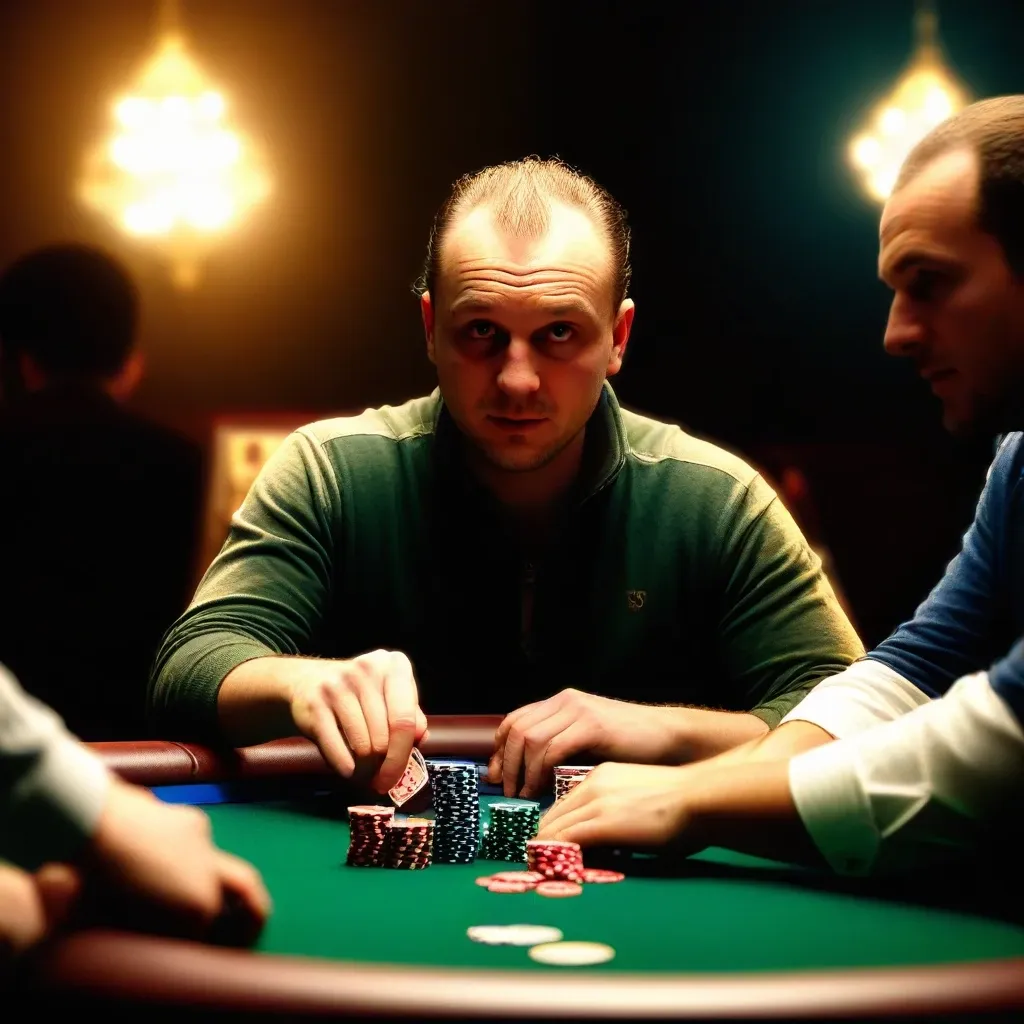
The felt. The clatter of chips. The palpable tension. Live poker tournaments are a world apart, a thrilling arena where skill, psychology, and stamina collide. Forget the digital avatars and the comfort of your home; this is poker in its purest, most visceral form. Many players dream of making a deep run, perhaps even hoisting a trophy and pocketing a life-changing sum.
However, the transition from online poker to the live game isn’t always smooth. The environment is different, the players are different, and the nuances of strategy shift dramatically. What works online might be a recipe for disaster in a brick-and-mortar casino.
This guide serves as your personal coach, providing actionable strategies, essential preparation tips, and expert advice to navigate the exciting, yet often treacherous, waters of live poker tournaments. Whether you’re a seasoned online grinder taking your first steps into the live arena or a weekend warrior looking to sharpen your game, this article will equip you with the knowledge and confidence to thrive at the table. Get ready to transform your live tournament dreams into reality.
Assessing Your Readiness
Before diving into the exciting world of live poker tournaments, it’s crucial to take a good, hard look at your current poker skills. Are you truly ready to make the leap? This isn’t about ego; it’s about setting yourself up for success. Honestly evaluate your game. Scrutinize your win rate: Are you consistently profitable, or are you breaking even? What’s your ROI (Return on Investment) in online tournaments? And how much experience do you actually have under your belt? Don’t lie to yourself; the felt will reveal the truth soon enough.
Online poker provides a wealth of data, allowing for precise statistical analysis. Live poker presents a different beast. Strategies that crush online might fall flat in a live setting. This means adjusting your approach. What are your strengths? Aggressive bluffing? Patient value betting? Conversely, what are your weaknesses? Do you struggle against aggressive players? Knowing these answers is paramount to improving your odds for live success. It’s highly encouraged to continue tracking your stats, but shift focus towards analyzing your behavior and that of others during the games themselves. Are you picking up on betting patterns? Are your opponents reacting to your presence? Mastering the art of merging statistical analysis with keen observation will vastly improve your level of play.
Key Skills for Live Success
While online poker relies heavily on data analysis, live poker introduces a whole new dimension: the human element. Mastering skills like reading tells and “live reads” becomes a game-changer. Can you spot the nervous twitch that indicates a bluff? Are you noticing the subtle change in breathing habits when someone holds a monster hand? These observations, coupled with a solid understanding of poker fundamentals, give you an edge that pure statistics often can’t provide.
Furthermore, cultivate your table presence and social skills. How you carry yourself, how you interact with opponents – it all matters. A confident demeanor can intimidate opponents, while friendly banter can loosen them up, potentially leading to mistakes. Develop a solid “poker face,” masking your emotions and intentions. These skills, often overlooked in the online world, are powerful weapons in the live poker arena, offering alternative information that balances mostly statistical online evaluation of player behavior.
Bankroll Management for Live Play
Live poker tournaments are a different beast than online games. The swings are wilder, the variance is higher, and the costs add up quickly. This is why having a solid bankroll management strategy specifically for live play is critical. It’s not just about having money; it’s about having enough money to weather the inevitable storms and capitalize on opportunities without sweating every buy-in.
Before even thinking about your strategy, separate your poker funds COMPLETELY from your everyday life funds. This isn’t grocery money; this is your dedicated war chest. Next, realistically assess your skill level and typical ROI(Return Of Investment) in the tournaments you plan to play. If you’re constantly re-buying early in tournaments, it’s costing you, so be honest. Now, determine how often you plan to play. Are you a weekend warrior, or a full-time grinder traveling the circuit? That makes a big difference.
Let’s talk about staking. Agreeing to stake a player in a tournament is a serious undertaking. It’s not charity; treat it instead as a business deal. Have a written agreement outlining the percentage splits, expense coverage, and payout procedures. All sides need to agree and feel secure with the conditions to move forward.
I have seen my share of bankroll destruction. I once saw a player mortgage his house to play in a high-stakes event, convinced he was “due” for a win. Needless to say, it didn’t end well. Don’t let ego or desperation cloud your judgment. Sticking to a structured bankroll strategy is your protection in the chaotic world of tournament poker.
Calculating Your ‘Risk of Ruin’
Think of ‘risk of ruin’ as the probability that you’ll lose your entire poker bankroll. Even the best poker player in the world goes broke if he/she risks too much. There are tools available online that can help you estimate where this ‘risk of ruin’ threshold is.
To use these tools effectively, you will need to input your average ROI (Return On Investment), the standard deviation of your results (how much your winnings vary), and the size of your bankroll relative to the buy-ins you’re playing. The tool will then spit out a percentage indicating your risk of going bust. Keep it below a comfortable level (say, 5-10%) by adjusting your stakes or bankroll size.
Bankroll management is not a guarantee of success, but it’s the vital foundation upon which all success is built. Never play above your means, regardless of how good you think you are. The game’s too unpredictable, and the consequences can be devastating.

Mastering Tournament Strategy
Succeeding in poker tournaments hinges on a multifaceted strategy. Understanding when to ramp up aggression, execute calculated bluffs, and adapt to various table dynamics is paramount. Late position bluffing, for instance, can be a powerful tool. When in late position, players have the advantage of seeing how others have acted, giving them more information. A well-timed bluff can exploit this advantage, especially against tighter players who are likely to fold marginal hands. However, be prepared for the possibility of a call, and ensure the bet sizing tells a believable story.
Early position play requires a more conservative approach. When acting first, players lack information about the intentions of others. A solid strategy involves playing a tighter range of strong hands, minimizing risk, and setting the stage for later-street decisions. A counter-strategy is to come out strong, building a pot size that is intimidating. Playing aggressively pre-flop in early positions can help steal pots and force others to play cautiously.
Final table aggression is often the key to victory. As the field narrows and the blinds increase, the pressure intensifies. Aggressive plays, such as resteals and applying pressure to shorter stacks, can be highly effective in accumulating chips and pushing opponents off pots. A good poker strategy will give poker players an edge, even when running up against aggressive plays. However, this approach must be balanced with judicious hand selection and an awareness of the opponents’ tendencies. Over-aggression can lead to costly mistakes and missed opportunities.
Adapting to Different Tournament Structures
Tournament structures heavily dictate optimal strategy. Freezeout tournaments demand a more cautious approach early on, since a single mistake means elimination. Re-entry tournaments allow for more aggressive play, as players have the option to buy back in, reducing the risk of early exits. Bounty tournaments incentivize aggressive play, as the rewards accumulate with each player eliminated. Turbo tournaments, with their rapidly increasing blinds, require more aggressive play from the start. Progressive knockout tournaments need an even more aggressive style of play, with players hunting each other from the very start in an effort to win money. Understanding these structures and adjusting your strategy accordingly is crucial for success.
Exploiting Live Tells and Weaknesses
Live poker offers opportunities to gain an edge by observing opponents’ physical and verbal tells. A player who avoids eye contact when bluffing might be a sign of weakness. Hesitation before betting can indicate a marginal hand. Verbal cues such as a shaky voice or excessive talking can also reveal nervousness or deception. Skilled players can use these tells to make more informed decisions. Other tells that should be recognized are patterns, looking at chips when having a good hand, and reverse psychology. However, it’s important to be mindful of reverse tells, where players intentionally mislead their opponents. A common weakness for live players is tilt. Online players are immune to tilt while live players are not. The perfect player can exploit the tells and weaknesses of his competition.
The Mental Game: Staying Sharp Under Pressure
The relentless intensity of live poker demands more than just strategic acumen; it necessitates a robust mental fortress. The ability to maintain composure, make rational decisions, and navigate the turbulent waters of variance is what separates seasoned pros from those who crumble under pressure. Mastering the mental game involves cultivating emotional control, understanding poker psychology, and implementing effective pressure management techniques.
The poker table is an emotional battlefield. The euphoria of a massive pot can be as distracting as the sting of a brutal bad beat. Those emotional highs and lows, if left unchecked, can lead to impulsive decisions and a breakdown of your carefully constructed strategy. Remaining neutral, detached from the immediate outcome of each hand, is paramount. Easier said than done, of course. It requires consciously observing your emotional state, acknowledging the feelings without letting them dictate your actions. One effective strategy is to view each hand as an independent event, a single data point in the larger sample size of your poker journey. Acknowledge the loss, learn from it, and move on without allowing it to infect subsequent decisions.
Overcoming a bad beat is a crucial skill. When faced with an especially egregious stroke of bad luck, it’s tempting to dwell on the injustice, replaying the hand over and over in your mind. This, however, is a recipe for disaster. Instead, immediately shift your focus to the present moment. Take a deep breath, remind yourself that variance is an inherent part of the game, and refocus on the task at hand: making the best possible decisions in the current situation. This mental reset is vital for preventing tilt and ensuring that your future plays are based on logic, not frustration.
Managing Tilt and Maintaining Focus
Tilt, that insidious demon of poker, can quickly unravel even the most disciplined players. Preventing tilt requires a proactive approach. Recognizing your personal triggers – perhaps a specific type of player or a series of unfortunate hands – is the first step. Once identified, you can develop strategies to mitigate their impact. Simple techniques like taking short breaks, practicing deep breathing exercises, or even stepping away from the table for a few minutes can work wonders. Mindfulness, staying present in the moment and focusing on the process rather than the outcome, is another invaluable tool. If you find your focus waning, try a mental reset. Close your eyes, take a few deep breaths, and consciously redirect your attention to the game. These small adjustments can make a significant difference in your ability to stay sharp and make optimal decisions, even when the cards aren’t falling your way.
Preparing for the Live Arena: Logistics and Etiquette
Stepping into the world of live poker is thrilling. Beyond mastering the game, navigating the logistics and social nuances is essential for a smooth transition. From tournament registration to venue etiquette, being prepared enhances enjoyment and avoids unintended faux pas. Advance planning will set the stage for success, before even sitting at the table.
First secure accommodations. Investigate hotels near the venue, comparing prices and amenities. Booking early often yields better rates. Consider transportation. Weigh the advantages of rental cars versus ride-sharing services, factoring in parking costs. Budget wisely for meals. Casino food can be expensive, consider nearby restaurants or packing some snacks.
Tournament registration is another detail. Pre-registering online, if available, saves time. Upon arrival, have your ID ready. Familiarize yourself with the tournament schedule and structure, noting start times and blind levels. Now, it’s time to explore, observe the environment and absorb the atmosphere.
Navigating Tournament Etiquette
Poker etiquette is important at the table. Do not slow roll under any circumstances, it is considered disrespectful. Be mindful of your physical space; avoid crowding other players. Keep the game moving. When it’s your turn, act promptly and without excessive tanking. Refrain from excessive chatter or angle shooting. The most annoying thing in poker is wasting other people’s time, because poker is, after all just that, other people’s time.
Conclusion
Embarking on the live tournament circuit is an exhilarating journey, demanding a blend of skill, strategy, and unwavering mental resilience. This guide has equipped you with essential knowledge, from mastering fundamental poker strategies to meticulously preparing for the unique challenges of live play. Remember, success in live tournaments hinges not only on understanding the game but also on managing your bankroll wisely and cultivating the mental fortitude to navigate the inevitable swings of fortune.
Now, armed with expert advice and practical tips, it’s time to take the next step. Consider exploring local poker rooms, participating in smaller tournaments to gain experience, and continuously refining your skills through practice and study. Sign up for upcoming tournaments, put your knowledge to the test, and immerse yourself in the electrifying atmosphere of live poker. Embrace the challenge, learn from every experience, and never stop honing your craft. The world of live tournaments awaits – are you ready to make your mark?